Resilience runs through everything.
Resilience is an organisation's capacity to handle what it didn't plan for: to anticipate what it can, respond well to what it can't, and come out of each incident better prepared. It spans leadership, engineering, operations, and everything in between. I diagnose what holds that capacity back and do the operational excellence work to build it. When building it means changing the wider organisation, the Collective brings in senior people who have done the work at scale.
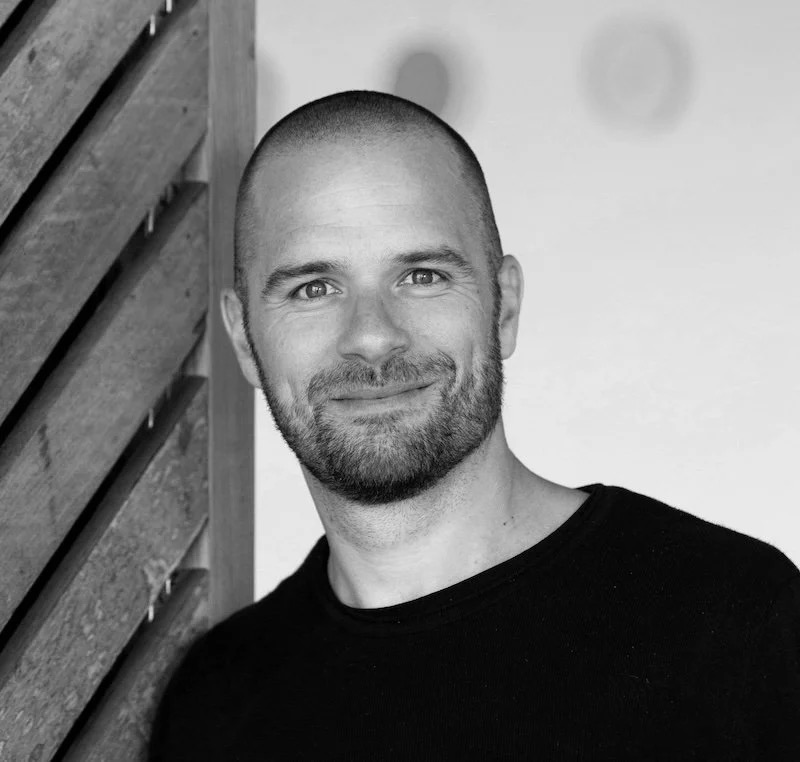
Adrian spent 25 years building and operating systems, most recently as a Principal Engineer at AWS, where he authored much of Amazon's resilience and chaos engineering guidance. He wrote Why We Still Suck at Resilience, and through Resilium Labs he diagnoses why organisations keep having the same incidents and does the operational excellence work to change what produces them.
These are the specialists I bring in when the work needs them. I have worked with each of them directly, and each has done the job at scale rather than read about it. The network is small and stays that way. I only bring in people I would put my name next to.
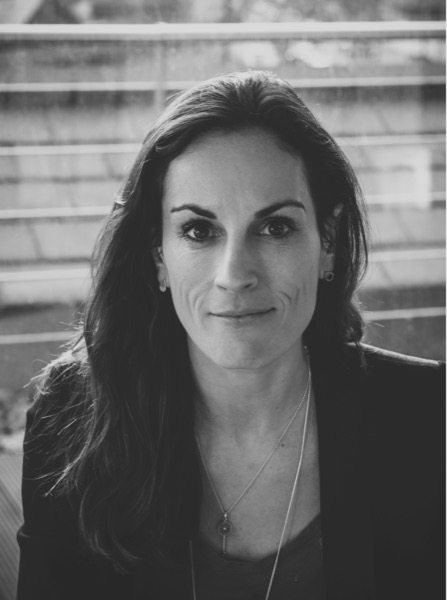
Sonia has spent 25 years as a corporate leader and now works on how people lead under pressure: decision-making under stress, burnout, the human side of resilience that no architecture diagram captures. She holds an MSc in Neuroscience from King’s College London and blends neuroscience, psychology, and coaching, with a background across Google, AWS, IBM, and Sony Music.
LinkedIn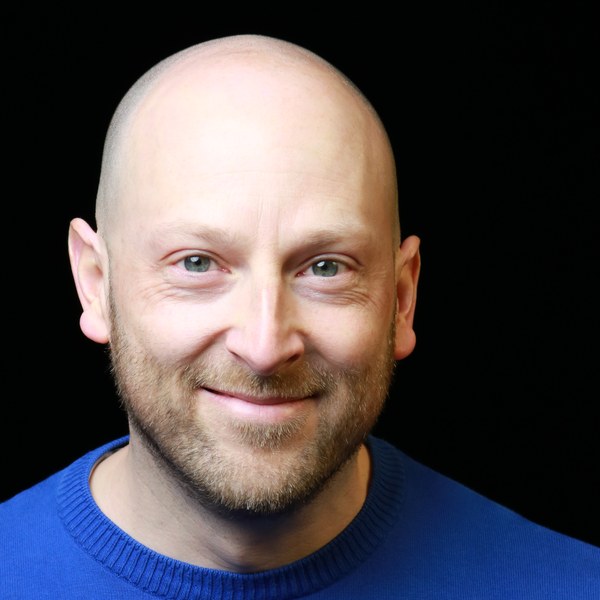
James is a cloud architect and entrepreneur with over 30 years in IT, including nearly a decade as a Principal at AWS, where he guided enterprises like Barclays, Shell, and the BBC through cloud adoption. Today he is co-founder and CTO of a SaaS business and advises a multinational bank on its move to cloud and AI. Because he designs, builds, and operates his own cloud-native systems, his client work carries the real weight of owning that responsibility.
LinkedIn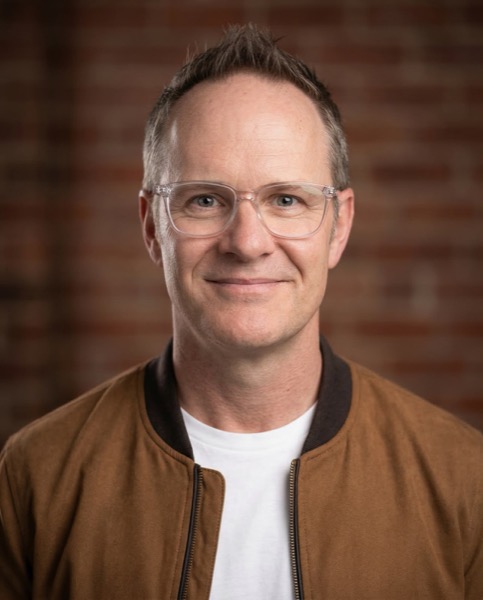
Matt is a technology director who has built and operated software at scale. At Amazon he led a major migration of internal systems onto AWS and ran the team that built the big-data platform that moved the company off its Oracle data warehouse. He is still a hands-on builder, working across language tooling, high-performance runtimes, graph-backed data systems, and infrastructure for AI and agentic systems. His focus is whether these systems make decisions that are better, explainable, and reproducible, not merely faster.
LinkedIn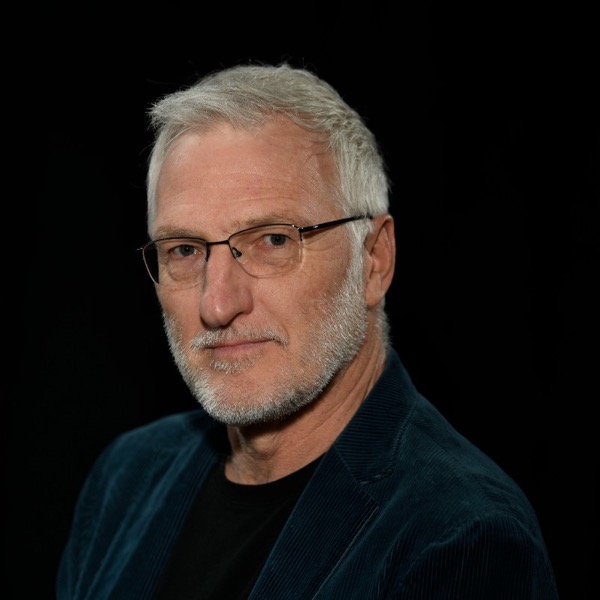
Thomas is an enterprise transformation advisor who spent a decade at AWS as a Principal Strategic Advisor, guiding C-suite leaders across EMEA through cloud, AI, and sustainability change. He co-authored Reaching Cloud Velocity, distilling lessons from more than 500 enterprise cloud journeys, and earlier led a greenfield cloud-native platform build at Experian against an explicit no-cloud policy. His core conviction is that transformation is 30% technical and 70% organisational.
LinkedInWhat my work usually reveals is that the conditions that keep the same incidents coming back sit well outside resilience as a discipline. They are found in how leaders behave under pressure, in the governance that shapes what teams can do, in the way software and data are built and operated. This is the argument the book makes at length: resilience is a property of the whole organisation.
Changing the whole organisation, though, is more than any one person carries. It needs depth across leadership, security, software, and data that no individual holds alone. Over the years I have found the specialists who carry it, worked alongside them, and learned to trust what they do. When changing those conditions needs their expertise, I bring them in. That is the Collective.
The Collective is a small, curated network of senior independent specialists I bring into an engagement when changing the underlying conditions needs more than I can do well alone. These are people I have worked with directly over the years and trust, not an agency or a marketplace you brief and manage. What matters about them is what they have actually done: each has implemented these solutions at scale, in real organisations under real pressure, and solved the problems that look obvious in hindsight and are anything but at the time.
When you bring someone in to change those conditions, the last thing you want is guesswork: someone running experiments on your production systems and your customers, learning on your time. You want someone who has solved that exact class of problem before, at scale, and already knows what moves it.
The way we work is collaborative rather than a handoff. I do not pass you to a specialist and step back; we work together on the whole organisation, because the patterns connect, and addressing one condition in isolation tends to recreate the problem somewhere else. The specialists are senior enough to work without being managed, and the work stays joined up because it is one piece of work.
The Collective covers the areas where resilience problems tend to sit.
Start with diagnosis, then build from there.
The best first step is a conversation to understand what you are seeing. From there we work out what needs changing, and who from the Collective to bring in.
Book a call